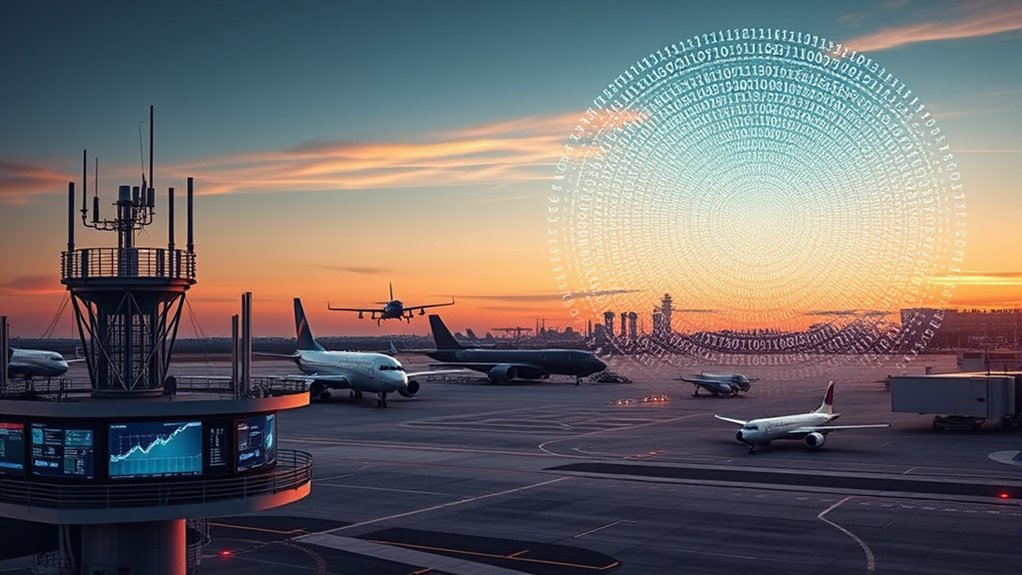

As the aviation and defense sectors increasingly adopt digitalization and automation, the need for strong cyber security measures has become paramount. Industry forecasts indicate that the aviation and defense cyber security market is projected to reach $161.2 billion by 2029, exhibiting a compound annual growth rate (CAGR) of 13.2%. This impressive growth trajectory is largely attributed to escalating investments in technology, particularly as organizations integrate advanced digital systems.
In early estimates for 2025, the market is valued at approximately $98.21 billion, underscoring a significant uptick propelled by rising defense budgets and government support. The infusion of resources towards cyber security efforts is not only crucial for protecting sensitive information but additionally critical because of the growing threat environment that includes state-sponsored cyber warfare and increasing geopolitical tensions. Such developments exacerbate vulnerabilities, particularly as the integration of Internet of Things (IoT) technologies heightens exposure to potential cyber threats. The aviation and defense cyber security market size grew significantly amidst these challenges, reinforcing the urgent need for enhanced protective measures. Additionally, success in this sector will be contingent on advancements in U.S. legal systems that address cyber security regulations and compliance frameworks.
Projected to reach $98.21 billion by 2025, the market is driven by rising defense budgets and escalating cyber threats.
Key technological trends are similarly reshaping the industry. Cloud security, for example, has emerged as a significant focus area, given the shift towards cloud-based systems. Advanced authentication methods are increasingly being adopted to bolster the security infrastructure necessary to defend against sophisticated attacks.
Furthermore, the convergence of cyber and physical systems necessitates improved threat detection and response capabilities.
Regionally, North America maintains its position as the largest aviation and defense cyber security market as of 2024, whereas the Asia-Pacific region is anticipated to exhibit the fastest growth throughout the forecast period. Government initiatives and increasing technological advancements serve as catalysts for this regional expansion.
The market is diverse, segmented into solutions and services, with network security solutions and managed security services representing significant subsectors.
Ultimately, the need for strong and thorough cyber security measures will likely intensify, reinforced by stringent regulatory environments and the demand for compliance with rigorous security standards, which remain indispensable for protecting critical infrastructure.